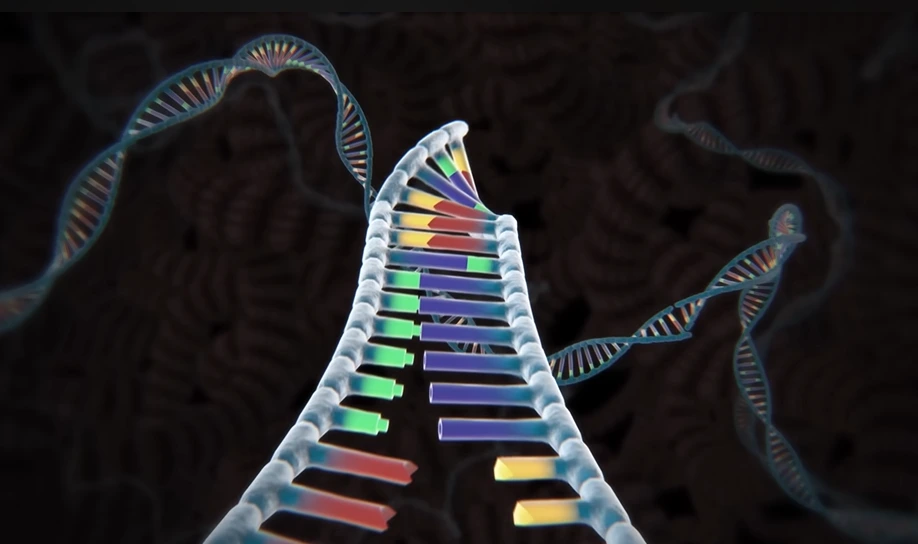
In the landscape of modern medicine, few terms have generated as much excitement, debate, and rapid progress as CRISPR-Cas9. What was once a niche topic in microbiology research has now become a household name, representing the dawn of a new era in genetic medicine. CRISPR-Cas9, an acronym for Clustered Regularly Interspaced Short Palindromic Repeats and CRISPR-associated protein 9, is a revolutionary genome-editing tool that is fundamentally changing how we approach disease and biology. For doctors, researchers, and patients alike, understanding this technology is no longer a matter of curiosity but a necessity. This article will provide a comprehensive overview of CRISPR-Cas9, from its bacterial origins to its groundbreaking applications and the complex ethical considerations it presents.
The Natural Origins of CRISPR: A Bacterial Immune System
To truly appreciate the power of CRISPR-Cas9, one must first understand its natural function. It is not an invention of a human lab, but rather a sophisticated defense mechanism found in bacteria and archaea. Imagine a bacterium constantly under attack from viruses, known as bacteriophages. To survive, these bacteria have evolved a clever “genetic memory” system. When a virus invades, the bacterium captures a small piece of the viral DNA and stores it in its own genome, in a region called the CRISPR array. This stored DNA acts as a “spacer,” a permanent record of past invaders.
If that same virus attacks again, the bacterium recognizes the viral DNA by transcribing the spacer sequence into a small RNA molecule called a guide RNA (gRNA). This gRNA then teams up with a powerful enzyme, Cas9, which acts like a pair of molecular scissors. The gRNA guides the Cas9 enzyme to the matching viral DNA sequence and the enzyme precisely cuts it, effectively disarming the virus. This elegant and efficient system is the foundation upon which scientists have built the most powerful genome-editing tool to date.
How the CRISPR-Cas9 System Works as a Gene-Editing Tool
Scientists have adapted this bacterial system for use in a wide range of organisms, including human cells. The process is remarkably simple in concept. Researchers design a synthetic gRNA that is programmed to match a specific DNA sequence they want to edit. This gRNA, along with the Cas9 enzyme, is then introduced into the cell. The gRNA guides the Cas9 to the target location in the cell’s genome, where Cas9 makes a precise double-stranded break in the DNA.
Once the DNA is cut, the cell’s own natural repair mechanisms kick in to fix the break. Researchers can influence this repair process in two main ways. The first is through a process called non-homologous end joining (NHEJ), which is a quick and often “messy” repair. This can lead to the insertion or deletion of a few nucleotides, effectively disrupting or “knocking out” a gene. The second, more precise method is homology-directed repair (HDR). By providing a DNA template with the desired new sequence, researchers can prompt the cell to use this template to repair the break, allowing for the precise insertion of new genetic material or the correction of a faulty gene. This ability to add, delete, or alter DNA at specific locations is what makes CRISPR-Cas9 a game-changer.
Transformative Applications in Medicine
The potential applications of CRISPR-Cas9 are vast and are already making their way from the lab to the clinic. One of the most promising areas is the treatment of genetic diseases. CRISPR-Cas9 offers the potential to correct the root cause of these conditions by fixing the underlying genetic mutation. For example, the first FDA-approved CRISPR-based medicine, exagamglogene autotemcel (Casgevy), is a one-time treatment for sickle cell disease and beta-thalassemia. It works by editing a patient’s own hematopoietic stem cells ex vivo (outside the body) to reactivate a gene that produces a fetal form of hemoglobin, thereby alleviating symptoms.
Beyond single-gene disorders, CRISPR is being explored for a wide range of other medical challenges:
- Cancer Therapy: CRISPR is being used to engineer a patient’s immune cells (T-cells) to better recognize and attack cancer cells. By “knocking out” genes that suppress the immune response, researchers are creating more potent and targeted immunotherapies.
- Infectious Diseases: The technology shows promise in fighting viruses like HIV by targeting and cutting out the viral DNA integrated into the host’s genome.
- Diagnostics: CRISPR-based diagnostic tools, such as SHERLOCK and DETECTR, are being developed to quickly and accurately detect specific DNA or RNA sequences from pathogens, providing rapid and highly sensitive results for infectious diseases and genetic mutations.
- Drug Discovery: Researchers are using CRISPR to systematically knock out genes in cells to understand their function. This functional genomics approach is helping to identify new drug targets and understand disease mechanisms more effectively than ever before.
Navigating the Ethical and Societal Landscape
Despite its immense promise, CRISPR-Cas9 is not without its challenges and ethical dilemmas. The power to alter the human genome raises profound questions that must be carefully considered by the scientific community, policymakers, and the public.
- Off-Target Effects: A major safety concern is the possibility of “off-target” edits, where the Cas9 enzyme cuts DNA at unintended locations. These unintended mutations could lead to unforeseen and potentially harmful consequences. Ongoing research is focused on developing more precise and specific CRISPR systems to minimize this risk.
- Germline vs. Somatic Editing: A critical distinction is made between editing somatic cells (non-reproductive cells) and germline cells (sperm, eggs, or embryos). Changes made to somatic cells are confined to the treated individual, while changes to the germline are heritable and would be passed down to future generations. The international scientific community has largely reached a consensus that germline editing for clinical purposes is currently unethical due to the unknown long-term effects on the human gene pool and the lack of consent from future generations.
- Eugenics and Social Inequality: The ability to edit the human genome sparks fears of a new form of eugenics, where genetic enhancements for traits like intelligence or athletic ability could become a reality. This could exacerbate existing social inequalities, creating a divide between those who can afford such enhancements and those who cannot.
The future of CRISPR-Cas9 is one of immense potential, balanced by the need for responsible and ethical governance. As we continue to refine this remarkable technology, a global dialogue is essential to ensure that it is used for the betterment of humanity, curing diseases and alleviating suffering, while safeguarding against its potential misuse. The promise of personalized medicine and a deeper understanding of human biology is within our grasp, and CRISPR-Cas9 is the key to unlocking it.
Follow AL-SHIFA CLINIC for more updates!